Strategy & priorities
Turn business ambitions into a focused automation and AI strategy. Assess workflows, prioritise opportunities and define a roadmap with clear ownership, investment choices and measures of success.
Independent expertise. Practical progress.
Put your expertise where it matters. I help AEC and industrial organisations shape their automation and AI strategy, choose the right solutions, build capable teams and develop better workflows and commercial offerings.
Years across engineering
and technology
Tools in the automation portfolio
led at Rambøll
Leadership across countries
and delivery teams
01 / Expertise
I help AEC and industrial organisations choose the right solutions, build Product-Oriented Development teams and create new products and workflows, with human expertise guiding decisions and quality.
Turn business ambitions into a focused automation and AI strategy. Assess workflows, prioritise opportunities and define a roadmap with clear ownership, investment choices and measures of success.
Evaluate existing solutions against your workflows, data and delivery needs. Decide where to buy, configure or combine proven tools with tailored automation, considering integration, maintenance and long-term ownership.
Build PODs—Product-Oriented Development teams—that connect Product Owners, Automation Leads, domain experts and developers. Establish backlogs, decision rights and delivery practices, supported by coaching and training.
Turn engineering expertise and internal tools into repeatable products and service offerings. Shape the customer proposition, explore commercial models and prioritise development around customer needs and business value.
Redesign how people and technology work together. Define where experts review and approve outputs, how they monitor automated work and when they intervene, then help teams build the skills and confidence to use the new workflow.
Connect models, data and project requirements. Identify opportunities in drawing production, model preparation, quality assurance and computational design, with a practical plan for implementation.
02 / Your Design Automation Handbook
Give your organisation a shared answer to four questions: what should we automate, who owns it, how do we deliver it, and how will we know it works?
I work with your leaders and domain experts to turn workflow discovery and practical decisions into a company-specific Design Automation Handbook. It brings priorities, solution choices, team responsibilities, human oversight and measurement into one working reference for your teams.
The scope is shaped around your organisation’s tools, capabilities and business goals, with an implementation roadmap to guide the next steps.
Discuss your Automation HandbookIllustrative contents
Workflow opportunities, solution choices and a prioritised backlog linked to business goals, including off-the-shelf and hybrid approaches.
A Product-Oriented Development (POD) model with clear responsibilities for leaders, Product Owners, Automation Leads and domain experts.
Guidelines for testing, documenting, releasing and maintaining automation, including human review, approval and intervention responsibilities.
Baselines, adoption indicators and outcome measures to review progress and improve delivery.
An illustrative outline; the contents and depth are agreed for each engagement.
Applied in façade engineering. A client engagement brought together an automation handbook, operating model, prioritisation framework and roadmap. Read the anonymised example
03 / Approach
Technology is one part of the change. The workflow, the people and the decisions around it need just as much attention.
Map the real workflow with the people doing the work. Find repeated effort, difficult handovers and quality risks.
Balance value, feasibility and time to impact. Choose a manageable starting point and define what success means.
Set up Product-Oriented Development teams, delivery standards and human oversight. Help people build the skills to use and improve new workflows.
Test in project delivery, measure use and outcomes, and adjust before extending the approach.
04 / Selected experience
Two examples show how I connect strategy, domain knowledge and development: leading a global automation capability and designing a practical operating model for an engineering business.
Previous leadership experience / Rambøll
My role
Global Head of Automation
& Portfolio Owner — Water
Connect automation needs across countries with shared priorities, accountable ownership and development capacity.
An international automation network bringing together Automation Leads, Product Owners, domain experts and developers, including delivery teams in India. Portfolio governance connected the intake and prioritisation of ideas with development, adoption and review.
I led a portfolio of 21 tools and applications and supported a global Water service area of approximately 1,200 people. The focus was on building a repeatable way to organise and support automation across the business.
Experience gained in my role at Rambøll, before founding Terstena Automation.
Global automation capability
Terstena Automation / Anonymised façade engineering client
My role
Automation strategy
& operating model advisory
Bring structure to manual workflows, automation opportunities and unclear responsibilities, with a practical basis for prioritising investment and building internal capability.
A Product-Oriented Development (POD) model connecting business priorities and engineering service lines with cross-functional teams. The framework defined responsibilities for Product Owners, Automation Leads and domain experts, supported by a prioritisation method and delivery guidance.
An Automation Handbook, operating model, role descriptions, prioritisation framework, backlog and roadmap. These provided a documented foundation for implementation and decisions about what to develop next.
The engagement concluded with the handbook and planning framework delivered. Implementation and outcome measurement were subsequent steps.
Designed operating model
Working with development capability
05 / Meet the founder
I’m Mili Myrteza Terstena, founder of Terstena Automation.
Over more than 25 years, I have worked across engineering, infrastructure, software and digital transformation. That experience has taught me to look beyond the tool and understand how a project is actually delivered.
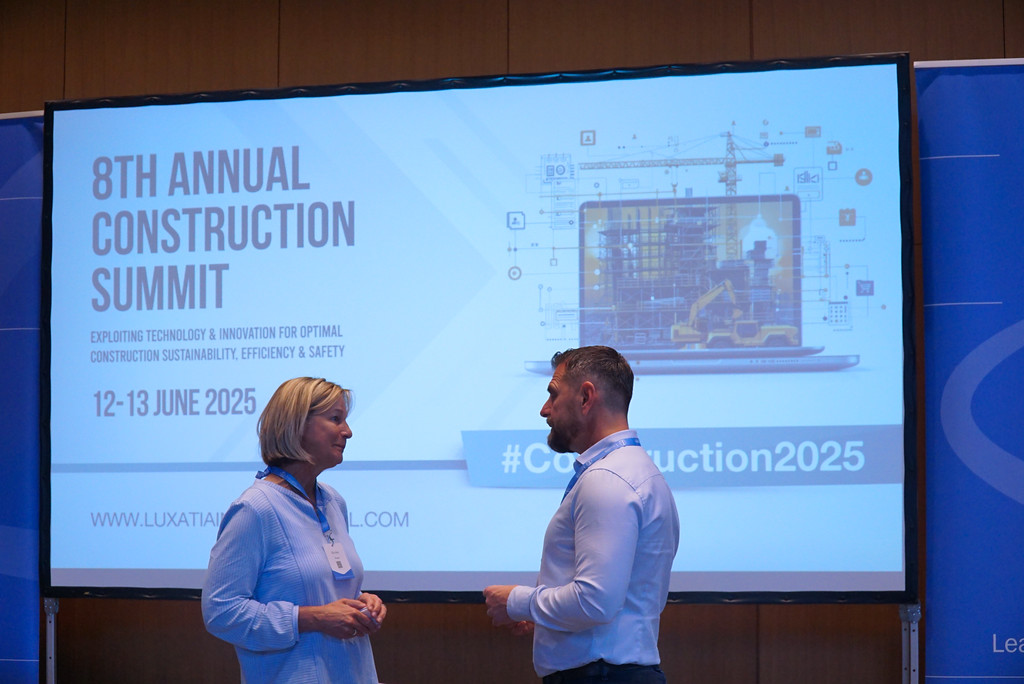
Today, I help organisations connect their digital ambitions with practical changes in workflows, capability and leadership. Alongside advisory work, I teach model-based design and contribute to industry conversations on automation and AI.
Start a conversationLet’s move your work forward
Tell me where your team is losing time, what you want to improve, or where your automation plans have stalled. We can start there.
Email MiliSkien, Norway
Working internationally